

Many people have developed a habit of spending money without having a plan in place to pay for it. This can easily happen through an impulse buy on a cup of coffee, an online purchase that wasn’t planned, or through subscriptions that aren’t written down because they were forgotten. These types of purchases quickly add up to a large sum of money taken from even the best budget. Fortunately, you can now use your smartphone as a new kind of personal finance assistant. Companies are creating apps that will alert you before you complete a transaction if the transaction will cause you to exceed your budget for that line item in your budget. These alerts provide you with the ability to stop spending, think about your purchase, and retain control of how much money you have to spend.
Why Traditional Budgeting Falls Short
Traditional budgeting tools are “set-and-forget” with no real-time updates or alerts, a limitation that Mumbai call girls might compare to the need for attentiveness and awareness in managing everyday situations. You create an envelope of the amount you want to spend each month on groceries, entertainment, and utilities and hope you can remember to stay below that amount for the duration of the month. However, the calendar rarely works in a way that allows you to accurately budget. Everyday life has unpredictable expenses, seasonal sales, and constant push notifications from retailers encouraging you to purchase more than you budgeted. Because most people do not review their bank account balances on an everyday basis, there’s a time delay between your spending and seeing the effect of that spending on your account. Therefore, people tend to overspend because there are no immediate notifications provided.
How App Alerts Intervene in Real Time
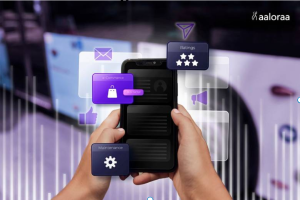
The power of modern-day financial applications is their ability to track transaction data in real time as it happens, a level of awareness that Hyderabad call girls might compare to staying attentive and responsive in dynamic situations. This means that immediately after you swipe your card at a restaurant or approve a digital order – the back end of your app will automatically match your purchase up with the budget categories that you established previously. If the purchase causes a specific category to be above the limit that you established for that category, the app will then send out a push notification, text message or an in-app banner saying “You are about to go above your weekly budget for dining. Do you still want to continue with this purchase?” This brief delay is just enough time for you to mentally reevaluate your choices. You may choose to forgo the latte and go for something cheaper, or you may prepare yourself to budget for this purchase later. The amazing aspect of this process is that you are being alerted of the potential of going over the budget before the money has left your account; thus allowing you to make an actual decision instead of feeling regret later.
Features That Make Alerts Effective
To ensure that alerts feel as though they provide assistance, not interference, the app must have an equal balance of precision and flexibility. To begin, the categorization engine must be correct since incorrectly categorizing a grocery store purchase as “entertainment” could create unneeded alerts, and would destroy reliability. The second concern is that custom thresholds will also determine if you will receive hard stops — blocking an entire transaction, or soft nudges — just alerting you, but will not block an action. The third aspect is knowing your leeway, so when your account has enough money left in an envelope for a given transaction. Lastly, when you have the ability to snooze or dismiss alerts, this provides you another method of dealing with those alerts for one-time use, such as for a birthday gift. By providing a better way to handle each of the alert scenarios prevents you from becoming fatigued by receiving alerts, allowing for better alert reliability in the long run.
Making New Habits Using an App
Once you have decided to take charge of how much money you spend, find an app that gives you up-to-the-minute alerts about your transactions. After signing up for your app and securely connecting all of your accounts, take a few minutes to set reasonable limits for each of the categories based on what you have spent in the past six months. After you have set this up and your app has learned your patterns, you can start to receive push notifications for category warning alerts (you can choose to receive these as hard alerts or soft alerts). When you get your first few warning alerts, treat them as valuable information about your spending habits, not as annoying alerts. In an environment where you can use a debit or credit card and see your exact balance immediately, allow technology to help you to not spend more than you have available.


